
Pregnancy First Trimester Care: A Complete Guide
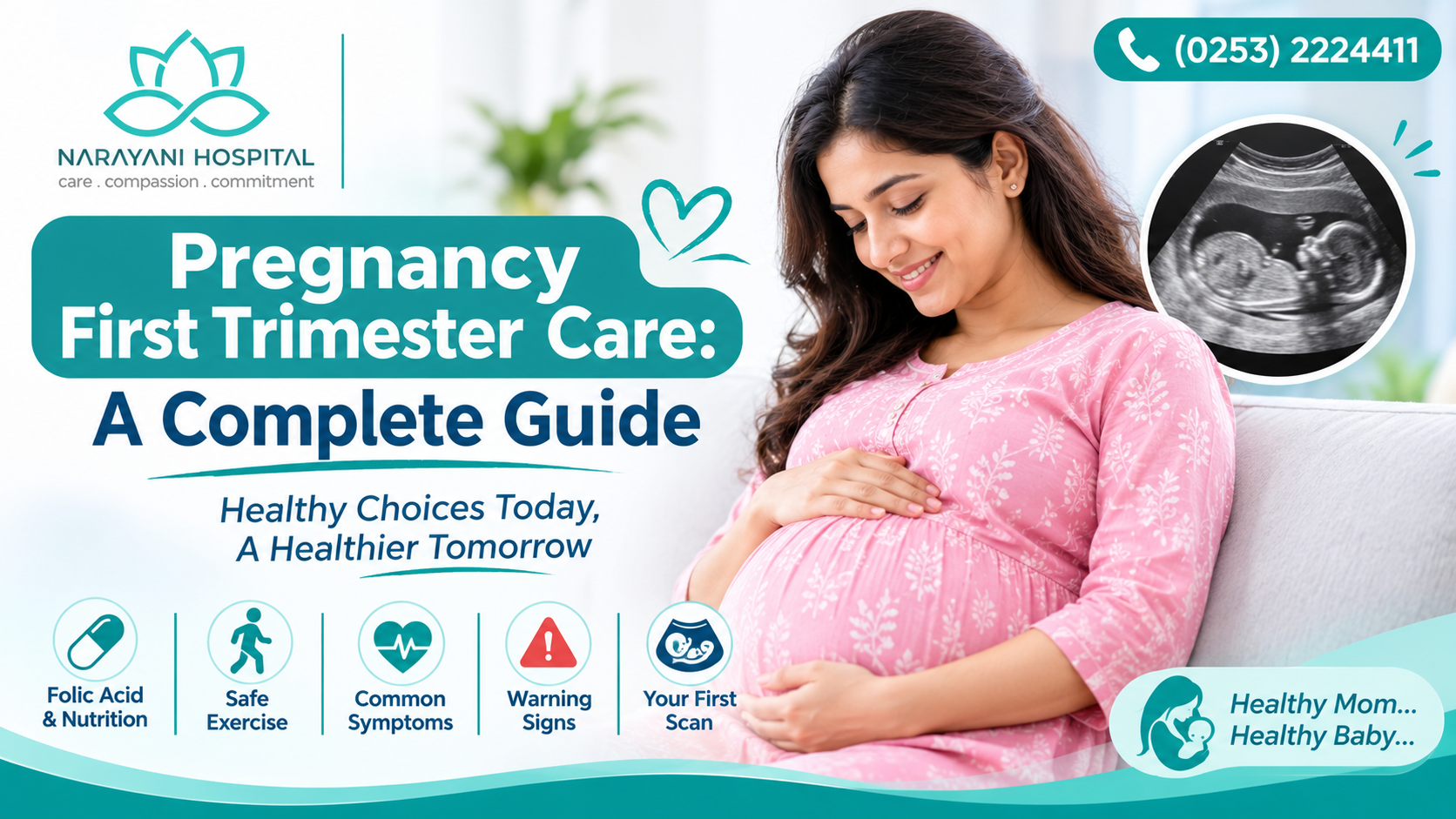
A positive pregnancy test brings a rush of feelings: joy, nerves, excitement, and a long list of questions. What should I eat? Can I exercise? Is this nausea normal? When do I get my first scan?
The first trimester, which covers roughly the first 12 weeks, is a period of rapid change. Your baby’s brain, spine, heart and other organs begin to form, and your body adjusts to a flood of new hormones. The habits you build now matter. This guide covers the essentials, from folic acid and nutrition to symptoms, warning signs and your first scan.
Book Your First Antenatal Visit Early
See a doctor as soon as you know you are pregnant, ideally before the 12th week. At the first visit, your doctor will confirm the pregnancy, calculate your expected due date, review your medical history and medicines, and check your blood pressure, weight and general health.
You will usually be advised some routine blood and urine tests. These commonly include your blood group and Rh factor, haemoglobin (to check for anaemia), blood sugar, thyroid function, and screening for infections such as HIV, hepatitis B and syphilis. These tests find problems early, when they are easiest to treat.
Tell your doctor if you have diabetes, thyroid disease, high blood pressure, epilepsy, asthma or any other long-term condition, or if you have had a miscarriage or a complicated pregnancy before. Some conditions need a change in medicines or closer monitoring from the start.
Folic Acid: The Most Important Supplement
Folic acid (vitamin B9) helps the baby’s brain and spine form properly. Taking it reduces the risk of neural tube defects such as spina bifida. Health authorities advise 400 micrograms (mcg) a day, ideally starting at least a month before conception and continuing until the 12th week of pregnancy.
Many pregnancies are not planned, so if you have just found out, start now. It is not too late.
Some women need a higher dose. Your doctor may prescribe a much higher dose, such as 4 to 5 mg a day, if you have previously had a baby with a neural tube defect, have diabetes, take certain epilepsy medicines, or are significantly overweight. Please do not decide on this yourself. Also avoid taking extra multivitamins to reach a higher dose, because too much vitamin A can be harmful in pregnancy.
Your doctor may also advise vitamin D and, later in pregnancy, iron and calcium supplements as part of routine antenatal care.
Nutrition in the First Trimester
You do not need to “eat for two” in the first trimester. Your calorie needs rise only slightly, but the quality of what you eat matters a lot. A balanced Indian plate can supply most of what you need:
- Vegetables and fruits: Include leafy greens such as palak and methi, plus seasonal fruits for vitamins, fibre and folate.
- Protein: Dal, rajma, chana, sprouts, paneer, curd, milk and well-cooked eggs, chicken or fish.
- Whole grains: Roti, jowar, bajra, ragi, oats and brown rice for steady energy and fibre.
- Calcium and iron sources: Milk, curd, ragi, sesame, dates, jaggery in small amounts, and green leafy vegetables.
- Healthy fats: Nuts, seeds and a modest amount of ghee or oil.
- Fluids: Water, coconut water, buttermilk and lemon water to stay hydrated.
Foods and habits to avoid or limit:
- Raw or half-cooked meat, fish and eggs, and unpasteurised milk or its products
- Raw or semi-ripe papaya, which doctors traditionally advise avoiding in pregnancy
- Fish high in mercury, such as shark and king mackerel
- Street food or cut fruit that may not be hygienic, to lower the risk of stomach infections
- Too much caffeine. Keep it to about 200 mg a day, which is roughly one to two cups of coffee
- Alcohol, cigarettes, tobacco, paan and gutka. There is no safe level of any of these in pregnancy
Be careful with herbal remedies and home concoctions too. “Natural” does not always mean safe in pregnancy, so ask your doctor first.
Safe Exercise During Early Pregnancy
If your pregnancy is healthy, regular activity is good for you. It can ease back pain, improve sleep and mood, and help control weight gain. Aim for about 150 minutes of moderate activity a week, for example 30 minutes on most days.
Good choices:
- Brisk walking
- Swimming or water exercises
- Light strength training with guidance
- Prenatal yoga taught by a trained instructor
- Pelvic floor (Kegel) exercises
Avoid: contact sports, activities with a high risk of falling, hot yoga, heavy lifting, and exercising to the point where you cannot talk comfortably.
Stop and call your doctor if you have: vaginal bleeding, dizziness, chest pain, severe breathlessness, abdominal pain or fluid leaking. If you have had a miscarriage, bleeding in this pregnancy, or a medical condition, ask your doctor what level of activity is right for you before you start.
Common First Trimester Symptoms
Every pregnancy is different, and some women feel almost nothing. These changes are common and usually harmless:
- Nausea and vomiting (“morning sickness”): It can happen at any time of day. Eating small, frequent meals, keeping dry snacks like biscuits or puffed rice by the bed, sipping fluids and avoiding strong smells can help. Ginger tea and lemon are popular comforts.
- Tiredness: Your body is working hard. Rest when you can.
- Tender, swollen breasts
- Frequent urination
- Bloating, constipation and heartburn: More fibre, fluids and gentle walking help.
- Food cravings and aversions
- Mood swings: Hormones, tiredness and worry all play a part.
- Mild cramping and a little light spotting: These can happen, but always mention them to your doctor.
Please do not treat symptoms with over-the-counter or leftover medicines without asking. Even common painkillers and cold remedies are not all safe in pregnancy.
Warning Signs: When to Call a Doctor Right Away
Most first trimesters pass without a crisis, but some symptoms need prompt attention. Contact your doctor or go to the emergency department immediately if you have:
- Heavy vaginal bleeding, especially with clots or soaking a pad in an hour
- Severe or one-sided lower abdominal pain, particularly with dizziness, fainting or pain in the tip of the shoulder. This can be a sign of an ectopic pregnancy, which is an emergency
- Passing tissue from the vagina
- Persistent vomiting where you cannot keep down food or fluids for a day, or you are passing very little urine and losing weight
- Fever, chills or painful, burning urination
- Severe headache, blurred vision or sudden swelling of the face and hands
- Fluid leaking from the vagina
- Fainting, severe weakness or a racing heartbeat
Light spotting is common in early pregnancy, but you should still report it. When in doubt, call. It is always better to be checked and reassured.
Your First Scan: What to Expect
The first ultrasound is usually called the early pregnancy or dating scan. It is often done between 8 and 14 weeks. Scans done before about 10 weeks are usually transvaginal, where a slim probe is gently placed in the vagina, because it gives a clearer picture of a very small pregnancy. This is safe and not painful, although it can feel a little uncomfortable.
The scan helps your doctor to:
- Confirm that the pregnancy is inside the uterus and rule out an ectopic pregnancy
- See the baby’s heartbeat
- Find out if you are expecting one baby or twins
- Estimate how many weeks pregnant you are and set a reliable due date
Around 11 to 14 weeks, your doctor may also offer a screening scan and blood tests to check the chance of certain chromosomal conditions. A detailed anomaly scan to examine the baby’s organs is done later, at about 18 to 20 weeks.
Please note: In India, it is illegal to find out or reveal the sex of the baby during a scan. The scan is for checking the health of you and your baby.
Other Everyday Tips
- Sleep: Aim for 7 to 9 hours, and take short rests in the day if you are tired.
- Stress: Gentle walks, deep breathing and talking to family or friends can help. If you feel persistently sad or anxious, tell your doctor. Mental health is part of pregnancy care.
- Travel: Short journeys are generally fine, but check with your doctor before long trips, especially if you have had bleeding or pain.
- Hygiene: Wash hands often and cook food fully to lower the risk of infection.
- Involve your partner: Bring them to appointments so they understand what you are going through.
Care You Can Trust in Nashik
At Narayani Hospital, our doctors are here to guide you through early pregnancy, from your first check-up and scans to answering the questions that come up at 2 a.m. We accept walk-ins, offer same-day appointments, and run a 24/7 emergency unit for any urgent concerns.
📍 Narayani Hospital, Next to Shree Vallabh Apartment, behind Chhan Hotel, Mumbai Naka, Deepali Nagar, Nashik,
Maharashtra 422009
📞 (0253) 2224411
Final Thoughts
The first trimester can feel overwhelming, but a few simple steps make a big difference: start folic acid, book your first visit early, eat a balanced diet, keep gently active, and know the warning signs. Trust your instincts as well. If something does not feel right, call your doctor without waiting. You do not have to figure this out alone.
Disclaimer: This article is for general awareness and does not replace professional medical advice. Please consult a qualified doctor for diagnosis and treatment. Every pregnancy is different, and your doctor will advise what is best for you.